Aircraft Mechanic Logbook: A Comprehensive Tool for Maintenance and Compliance
For aviation professionals, maintaining detailed and accurate records is not just a best practice; it's a necessity. The Aircraft Mechanic Logbook serves as an essential tool for documenting maintenance, repairs, and inspections. This logbook is designed to help mechanics, supervisors, and other aviation personnel keep track of all the necessary information in a structured and organized manner.
Understanding the Importance of an Aircraft Mechanic Logbook
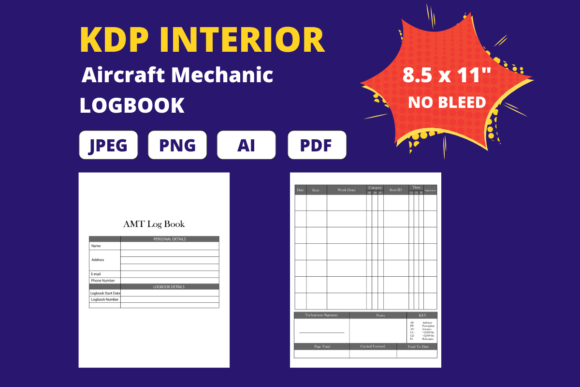
An Aircraft Mechanic Logbook is a critical document that records all maintenance activities performed on an aircraft. It includes details such as the date, item, work done, category, item ID, supervisor, and technician's signature. These records are vital for ensuring the safety and airworthiness of the aircraft, as well as for compliance with regulatory requirements.
Challenges in Aviation Maintenance Documentation
Maintaining an effective and up-to-date Aircraft Mechanic Logbook can be challenging. Common issues include:
- Inconsistent Record-Keeping: Different technicians may have different methods of recording information, leading to inconsistencies.
- Lack of Standardization: Without a standardized format, important details may be missed or recorded incorrectly.
- Time-Consuming: Manual entry and management of logbooks can be time-consuming, especially for large fleets.
- Compliance Issues: Inadequate or inaccurate documentation can lead to non-compliance with aviation regulations, resulting in fines and operational disruptions.
How the Aircraft Mechanic Logbook Can Help
The Aircraft Mechanic Logbook is designed to address these challenges by providing a structured and standardized format for recording maintenance activities. Here’s how it can help:
- Consistent Format: The logbook provides a consistent format for all entries, ensuring that all necessary information is captured uniformly.
- Easy to Use: With clear sections for personal details, dates, items, work done, categories, item IDs, and signatures, the logbook is easy to use and understand.
- Comprehensive Documentation: The logbook includes space for notes and additional details, allowing for thorough and comprehensive documentation.
- Regulatory Compliance: By following the standardized format, the logbook helps ensure compliance with aviation regulations, reducing the risk of non-compliance issues.
Practical Applications and Outcomes
The Aircraft Mechanic Logbook can be used in various practical applications, including:
- Preventive Maintenance: Regularly updating the logbook helps in scheduling and performing preventive maintenance, which can extend the lifespan of the aircraft and reduce downtime.
- Inspection Records: Detailed inspection records in the logbook can help identify potential issues early, allowing for timely repairs and minimizing the risk of accidents.
- Training and Supervision: The logbook can be used as a training tool for new technicians, and supervisors can use it to review and verify the work done by their team.
- Documentation for Audits: During audits, the logbook provides a complete and accurate record of all maintenance activities, making it easier to demonstrate compliance.
Examples and Recommendations
Here are some examples of how the Aircraft Mechanic Logbook can be used effectively:
- Example 1: A technician performs a routine inspection on an aircraft. They record the date, the specific components inspected, the results of the inspection, and any maintenance or repairs performed. The supervisor reviews and signs off on the entry, ensuring that all steps were completed correctly.
- Example 2: During a major overhaul, the logbook is used to document each step of the process, from disassembly to reassembly. This detailed record helps in tracking the progress and ensuring that all components are properly installed and tested.
Some recommendations for using the Aircraft Mechanic Logbook effectively include:
- Regular Updates: Ensure that the logbook is updated regularly and consistently to maintain accurate and up-to-date records.
- Training: Provide training for all technicians and supervisors on how to use the logbook effectively and the importance of accurate documentation.
- Review and Audit: Regularly review and audit the logbook to ensure that all entries are complete and accurate, and to identify any areas for improvement.
Different Approaches for Different Users
While the Aircraft Mechanic Logbook is a versatile tool, different users may approach it differently based on their roles and responsibilities:
- Technicians: Technicians will focus on recording the details of the work they perform, including the date, item, work done, and their signature. They should also include any relevant notes or observations.
- Supervisors: Supervisors will use the logbook to review and verify the work done by their team. They should sign off on each entry to confirm that the work meets the required standards.
- Management: Management can use the logbook to monitor the overall maintenance activities and ensure that all regulatory requirements are met. They can also use the logbook to plan and schedule future maintenance activities.
Conclusion
The Aircraft Mechanic Logbook is a valuable tool for aviation professionals, providing a structured and standardized format for documenting maintenance activities. By using the logbook effectively, you can ensure consistent and accurate record-keeping, improve compliance with regulatory requirements, and enhance the overall safety and reliability of your aircraft. Whether you are a technician, supervisor, or part of the management team, the Aircraft Mechanic Logbook is an essential resource for maintaining high standards in aviation maintenance.